Why Film Photography Is Thriving in a Digital World
When you purchase through links on our site, we may earn an affiliate commission at no additional cost to you. If you want to find out how this works: [Read More Here]
This Is Why Film Photography Is Thriving in a Digital World
Every digital photographer has had a smartphone user say, “My smartphone can do that and it has more megapixels!” Yes, that may be true and a smartphone pic may be good enough for a social media account but the number of things a smartphone can’t do is a very long list. Digital cameras can do way more. Then there’s post processing where AI can erase or change unwanted intrusive background items with a couple of clicks.
So, choosing to return to film photography might seem counterintuitive. Perhaps very much so to you. Yet, despite that a growing number of photographers – myself included – are returning to photography’s analog roots. 35mm, medium-format, and, believe it or not, large format film is becoming more and more popular.
Intentionality and Slowing Down
Digital cameras encourage a photographer to overshoot for want of a better way of putting it. It costs nothing to press the shutter button and take a burst of 25 or more photographs. Now, to be fair, that might be necessary for some professionals such as sports photographers but for most of us that is not the case. What you end up with are hundreds of almost identical shots.
Film, on the other hand, has an expense attached. Developing and printing or scanning costs money even if you do it all yourself. The most popular film format is 35mm so with 24 or 36 exposures per roll thought is needed. Film teaches you to compose thoughtfully, focus carefully, and check the camera’s metering, rather than leaving it up to autofocus and auto-ISO.
This is a slower and much more thoughtful process and it will teach you more about your chosen hobby. There’s no delete button, so you learn to live with small imperfections—and often find charm in them. This deliberate mindfulness is a breath of fresh air compared to the phrenetic pace of modern life.
The Unpredictable Charm of Analog Aesthetics
Digital images can look and feel sterile in their perfection. That’s not the case, in my opinion, with film. Film is so much more organic: offering texture, soft grain, imposing large grain, with often unique and subtle color shifts.
Each film stock: mainstream color from Kodak and FujiFilm and monochrome form Kodak (again!) and Ilford are all different in the way a picture is replicated. You can’t fake that look with social media filters.
Some digital cameras – Fuji’s in particular – do offer built-in simulations but even so the results are not the same. Throw in the differences that can result from the chemicals used and development methods chosen and there are many wildcards that can affect the final result. That degree of unpredictability is a feature and not a bug.
A Screen-Free Connection
If you have the time and the money then set up a darkroom and print your own photographs. Color film, of course, needs total darkness once the paper has been exposed and so a developing tank is needed. The suspense of waiting to see what you have got is an experience!
My personal interest in film is monochrome and if you have your own darkroom you don’t need to use a tank for developing your prints. Instead you can use trays. If monochrome is for you then I urge you to do everything you can to have your own dark room. Watching an image appear in front of your eyes is magical. It really is!
Even if you scan your negatives rather than printing them, the process of developing your own roll still provides a sense of accomplishment. Yes, you can still post-process the scanned images and there’s nothing wrong with doing so. The main difference here is that you’re choosing a few photographs out of 36 and not having look through hundreds of digital images on a monitor trying to figure out which few to work on.
Film Photography Is Rediscovering an Art Form
Finally, film teaches delayed gratification something that is almost anathema to many! You finish a roll, and if you have to send the rolls away you wait days or even longer sometimes, before you get them back. It’s always a slightly nervous moment until you see what’s inside. If you develop your own then it is a faster process, but even then it is not an instant one.
Every time you look at your latest set of photos you will learn something. Why are these shadows muddy? Why doesn’t the exposure look quite right? Each mistake becomes a lesson. Each good result will reinforce your technique.
Shooting film isn’t about rejecting technology. Most of my photography will still be digital but when I get the chance I will choose film because I enjoy both the change of pace and the challenge. No, it isn’t dismissing digital it’s about choosing a different relationship with time, light, and memory.
So, if you spot someone using a vintage Canon AE-1 or any of the multitude of cameras still available it’s because they too are looking for a deeper, more tactile experience than digital can replicate.
Film is back and choosing film if all you’ve ever known is digital will make you a better photographer.
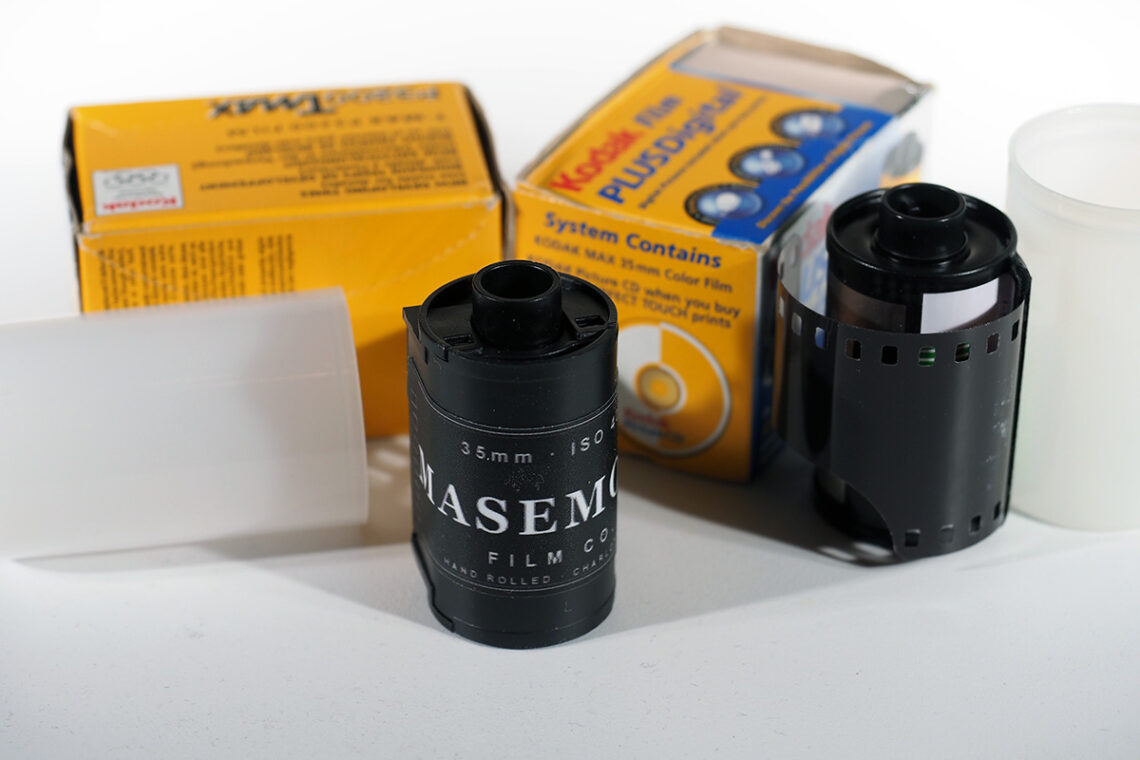
P.S. For those of you who may be wondering about the film that is pictured front and center in the featured image it is the Masemoto Film Company’s ISO 400 film stock which can be found on Whatnot when available.


You May Also Like
Are Photographers Obsessed with Megapixels?

Updating the Firmware on a Canon EOS 5D III